
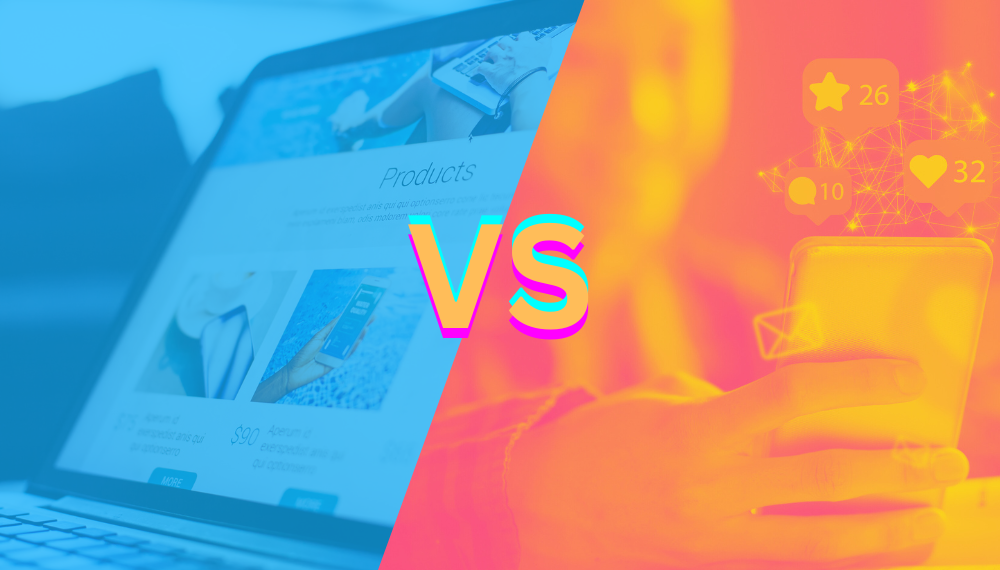
Understanding owned marketing assets versus rented channels is critical for long-term business growth. When you invest in owned marketing assets like your website and email list, you’re building equity that can’t be taken away by algorithm changes or platform shutdowns. Here’s what every business owner needs to know about the difference.
Owned Assets: The Media You Control
Your owned assets are the marketing foundations that belong entirely to your company — they’re your digital real estate.
Think of:
- Your website – the central hub of your brand
- Email list – direct access to your audience, no algorithms involved
- Brand visuals and messaging – logo, tone, colors, photography, templates
- Content library – blogs, case studies, videos, PDFs, courses
These are the places where you control the experience. You decide what’s published, how it looks, and how long it lives. They’re your most valuable assets because they continue to build equity over time.
Rented Assets: The Platforms You Don’t Control
Social channels (LinkedIn, Instagram, Facebook, TikTok, etc.) are rented space. They’re fantastic for visibility, engagement, and community — but they come with rules that aren’t yours.
You’re at the mercy of:
- Algorithm changes
- Platform shutdowns
- Policy updates
- Audience behavior shifts
Your followers aren’t truly your audience — they belong to the platform. If LinkedIn disappeared tomorrow, how would you reach your clients?
That’s why social media should amplify your owned assets, not replace them.
How to Balance Both
The best strategy is to let your owned assets be the destination, and your social channels be the invitation.
- Use social media to start conversations and draw attention.
- Use your website and email to continue those conversations and deepen relationships.
- Use content marketing (blogs, guides, videos) to establish authority and build trust that lasts beyond a scroll.
Takeaway
Social media is where people find you.
Your owned assets are where they connect with you.
When you invest in what you own, every campaign becomes more sustainable — because no algorithm can take it away.